
Utah Criminal Records: Search and Find Public History
Utah criminal records are public documents that show arrests, charges, convictions, and court outcomes across the state. People search these records for many reasons. You can look up criminal history through several official channels, including the Utah Bureau of Criminal Identification, the state court system, and local law enforcement agencies. This guide covers each main source, explains what each one provides, and helps you understand how to find the criminal records you need in Utah.
Utah Criminal Records Quick Facts
Utah Bureau of Criminal Identification
The Utah Bureau of Criminal Identification is the central state repository for criminal history records. Known as BCI, it operates within the Utah Department of Public Safety. BCI collects criminal history data from law enforcement agencies across all 29 Utah counties. The records held here include arrest records, charges filed, and case dispositions from courts statewide. If you want one source that pulls together a full Utah criminal history, BCI is the right place to start. No other single agency holds more complete statewide criminal record data in Utah.
The BCI office is located at 4315 South 2700 West, Suite 1300, in Taylorsville. In-person visits are available Monday through Friday, 8 a.m. to 5 p.m. You can also submit a request by mail. Download the application from the BCI website and send it to 3888 West 5400 South, Salt Lake City, Utah 84129. A valid government-issued photo ID is required. Utah Driving Privilege Cards are not accepted as valid ID for this type of request. The fee for a criminal history request is $20, which took effect on July 1, 2025. Cash, check, VISA, MasterCard, and money orders are accepted for in-person payments.
BCI also offers a Third-Party Release Form. This document lets you authorize another person to pick up or receive your criminal history records on your behalf. Fingerprint services and expungement processing are also handled at this office. If you get a call claiming to be from BCI and asking for payment for a warrant or requesting gift cards, do not comply. BCI never makes those calls. That is a known fraud scheme targeting Utah residents.
The lead image below links to the official BCI website at bci.utah.gov, which is the authoritative source for Utah criminal history requests.
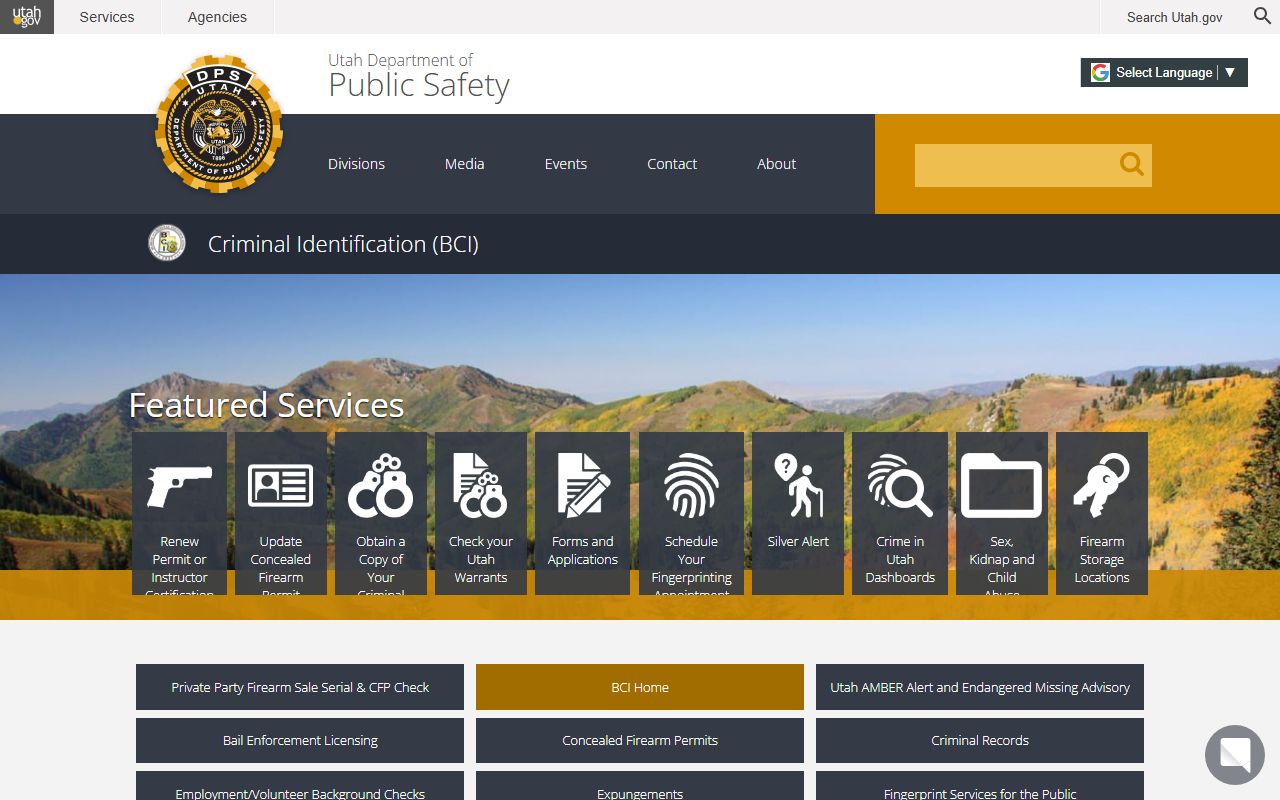
BCI processes thousands of Utah criminal history requests each year and serves as the primary law enforcement records hub for the entire state.
BCI Criminal Records Division
The BCI Criminal Records Division handles direct requests for criminal history reports. This division manages the intake and processing of all individual record requests submitted to the state. It is the specific unit within BCI that you work with when requesting your own criminal history or one you are authorized to receive. The division processes both walk-in and mail-in requests. Response times vary, but in-person visits are generally faster than mail submissions.
The BCI Criminal Records Division page is shown below, as captured from the official Utah Department of Public Safety records portal.
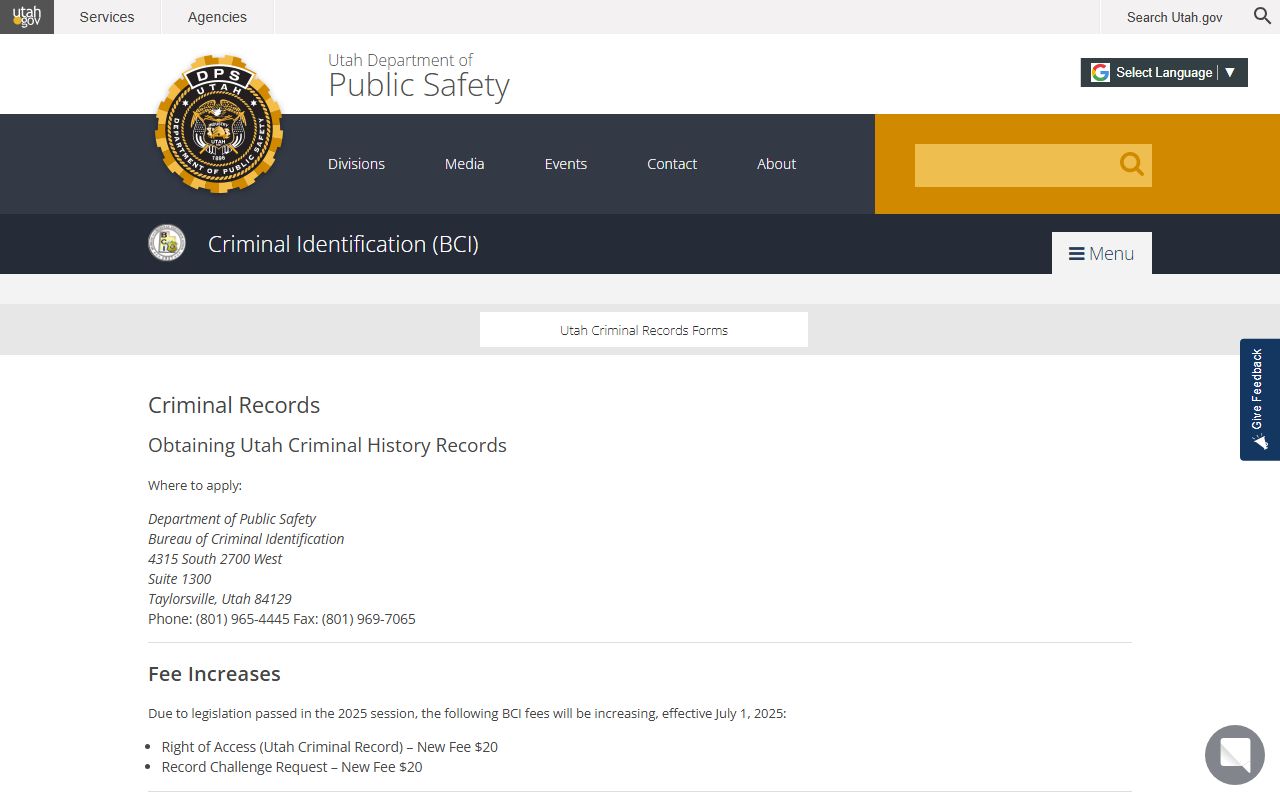
Requests submitted by mail typically take longer than in-person visits, so plan ahead if you are working with a deadline.
Utah Court Records and Criminal Case Files
Utah court records are managed through the Utah State Courts system. The courts hold records for all district and justice court cases across the state. This includes felony cases, Class A misdemeanor cases, civil matters, and domestic cases. Court records often contain more detail than a BCI criminal history report alone. You can find the charges filed, hearing dates, plea entries, verdicts, and sentences all in one place. These records are searchable by name, case number, or citation number.
The main online tool for searching Utah court records is the XChange system. XChange gives you access to case information from courts statewide. A monthly subscription costs $30 and returns results that include the case type, filing date, charges listed, and current case status. If you only need occasional lookups, visiting a court clerk's office in person is also an option. Most district courts let the public use their case terminals at no cost. The Utah State Law Library can assist with research as well, and can be reached at (801) 238-7990.
Note: Court records reflect the official outcome of criminal cases but may not always match BCI records if a disposition update has not yet been processed.
The Utah State Courts official portal is shown in the image below, sourced from utcourts.gov.
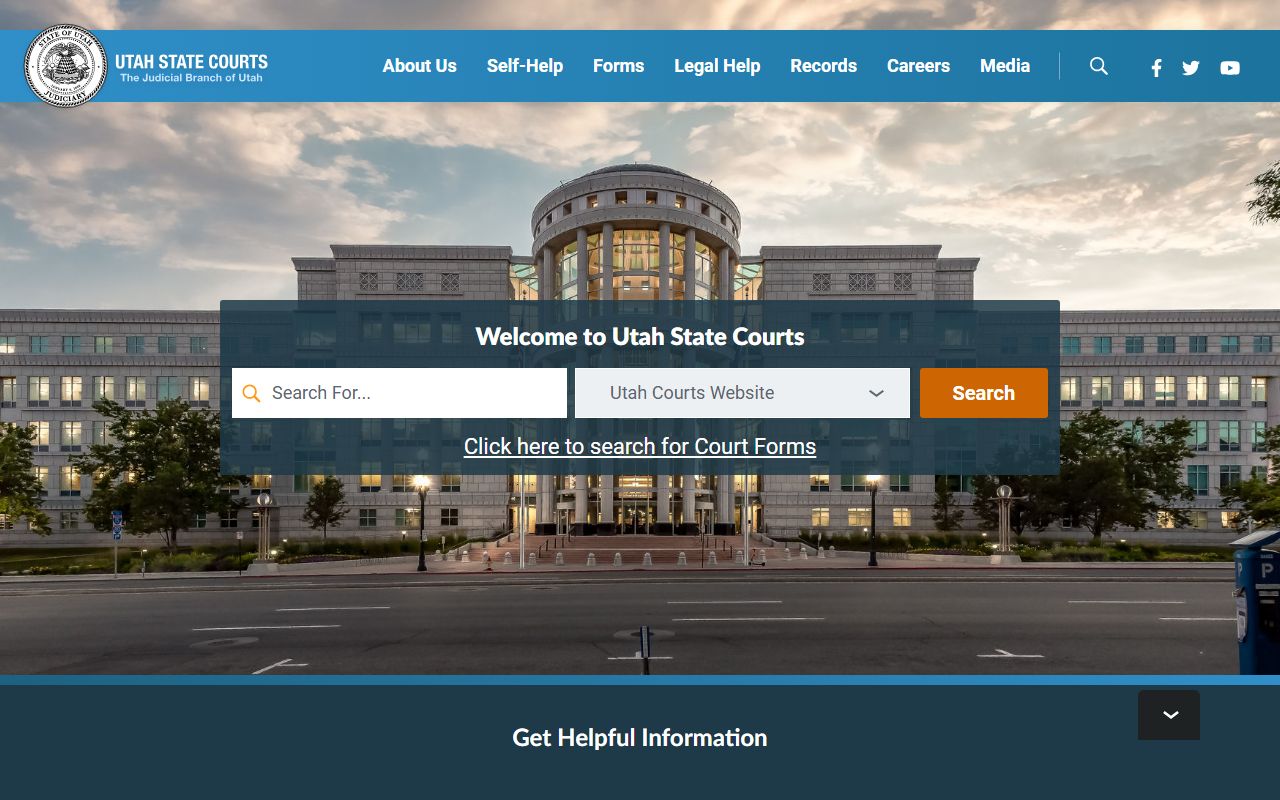
The courts system is a key resource for anyone who needs to verify the outcome of a specific criminal case or review a person's Utah court history.
Utah Inmate and Offender Search
The Utah Department of Corrections provides a free public offender search tool. You must enter a first name, middle name, and last name to run a search. An offender number can also be used if you have it. Results include the person's date of birth, physical description, and current facility location. This tool is most useful when you want to confirm whether someone is currently held in a Utah state prison or correctional facility.
The Department of Corrections also manages electronic monitoring programs and sex offender supervision. Supervision is divided into two groups. Group A covers offenses against children. Group B covers offenses against adults. These programs operate alongside the corrections database and add another layer of public safety information accessible to Utah residents.
The Utah Department of Corrections offender search interface is shown below, pulled from the official corrections website.
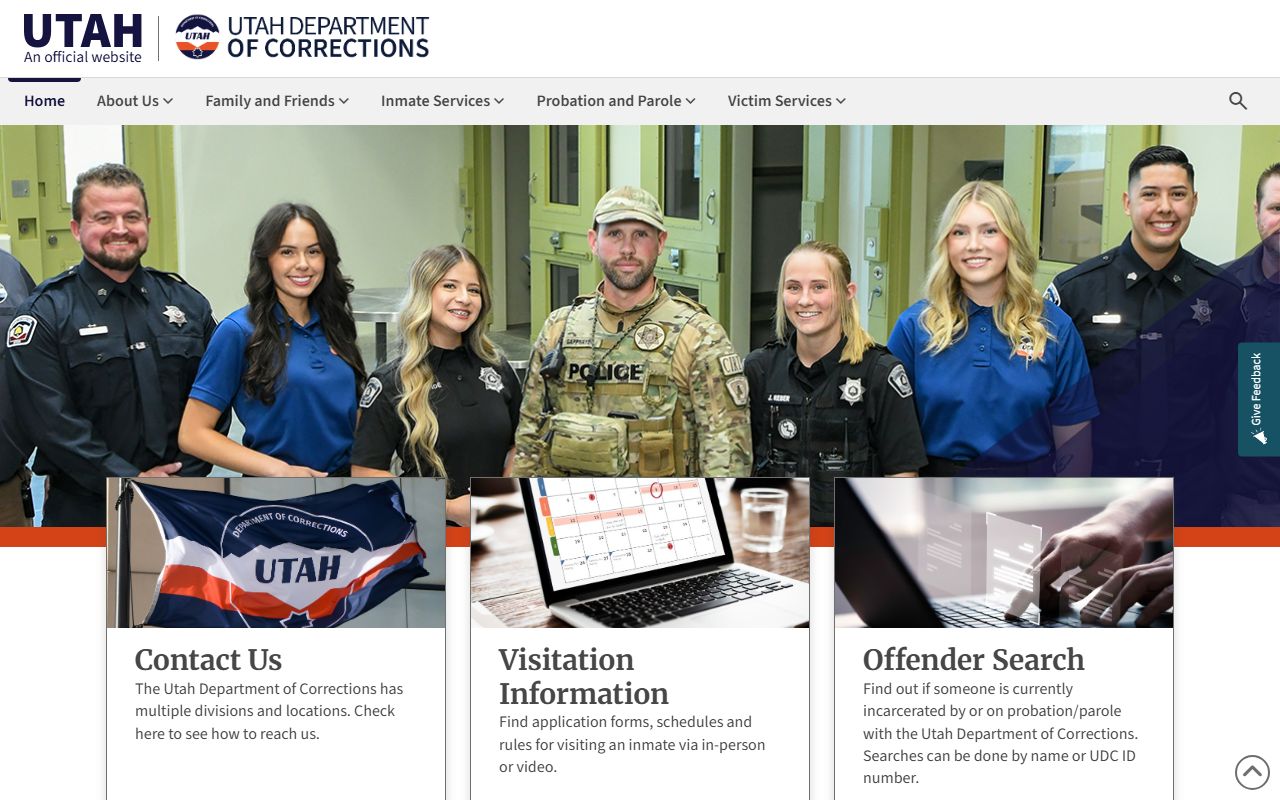
The offender search is updated regularly and reflects the current custody status of individuals within the Utah state corrections system.
The Utah Corrections offender search page provides direct access to the public-facing tool used by thousands of Utah residents each month to look up offender and inmate status.
Bookmark this page if you need to check offender status on a regular basis, as it is the official and most current source for Utah corrections data.
Utah Statewide Warrant Search
Active warrants in Utah can be searched through the Utah Statewide Warrants database, which is maintained by the Department of Public Safety. This database reflects real-time active warrants from law enforcement agencies across the entire state. Under Utah Code Section 77-7-5.1, warrant data must be entered into the statewide system by law enforcement when a warrant is issued. Under Section 77-7-21, individuals have the legal right to be told whether a warrant exists for them. This makes the statewide warrant search a practical tool for anyone looking to check their own status or verify whether an outstanding warrant is on record for another person in Utah.
Note: The statewide warrant database covers active warrants only. Warrants that have been served or recalled may not appear in the public search results.
Utah GRAMA and Public Records Access
Utah's Government Records Access and Management Act, known as GRAMA under Utah Code Section 63G-2-101, sets the rules for public access to government records throughout the state. Under GRAMA, every person has the right to inspect public records at no charge, as stated in Section 63G-2-201. Government agencies are required to respond to records requests within 10 business days, or within 5 business days for media outlets. Utah records are classified into four categories: public, private, controlled, or protected. The classification determines who can access the record and under what conditions.
Most arrest records and court case records fall into the public category under GRAMA. Some records may be sealed or restricted by court order, which removes them from public view. Fees for obtaining copies of records are governed by Section 63G-2-203. If an agency denies your request, you have the right to appeal that decision. Understanding your rights under GRAMA helps you navigate the records request process more effectively. Local law enforcement agencies, county sheriffs, and city police departments also respond to GRAMA requests for arrest logs and booking records they maintain directly.
The GRAMA statute page is shown here, as it appears on the official Utah Legislature website.
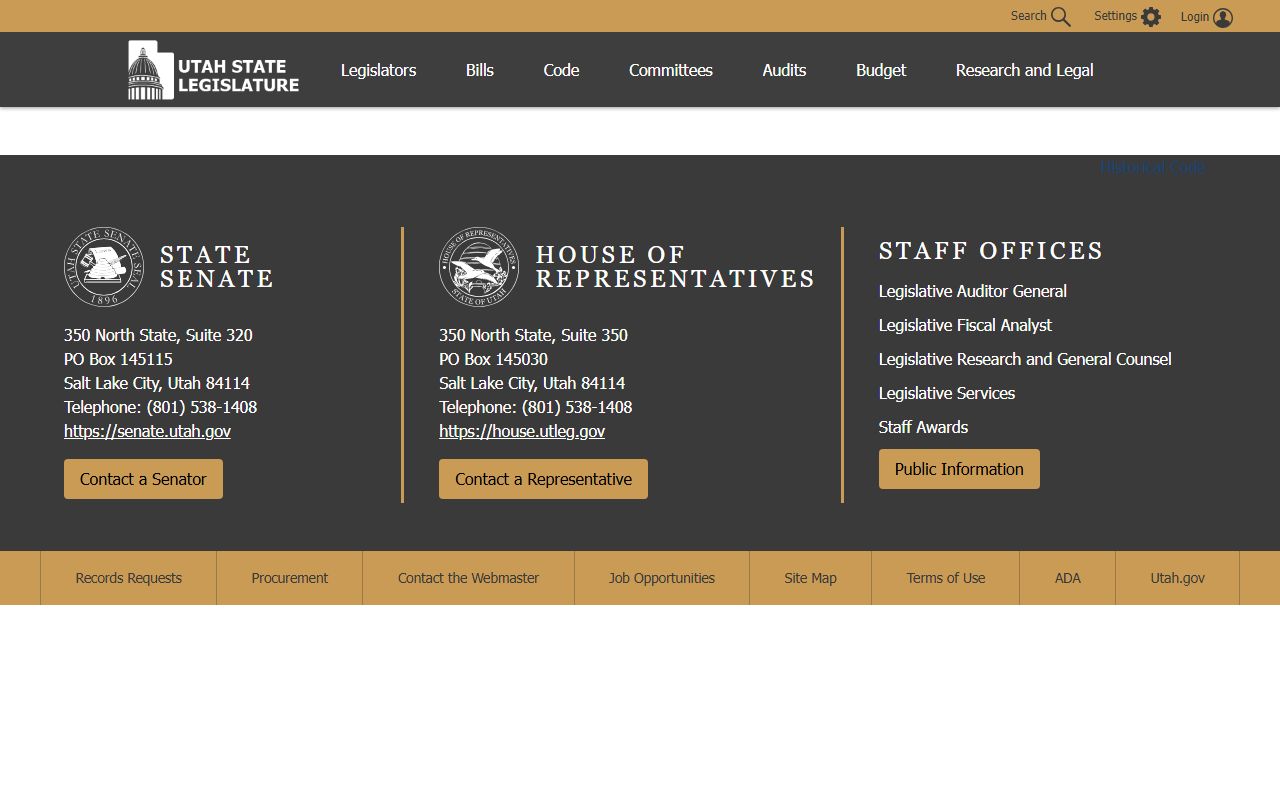
GRAMA is the foundation of public records access in Utah and gives residents a legal right to request criminal history, court case data, and other government records from state and local agencies.
VINE Inmate Tracking and Notification
VINE (Victim Information and Notification Everyday) is a national service available in Utah and 47 other states. It covers more than 2,900 jails and prisons. VINE lets you search for an offender by name or offender ID. You can also sign up to receive automated alerts when a person's custody status changes. Notification options include email, phone call, or text message. The service runs 24 hours a day, 7 days a week, and requires no registration for a basic search. You only need an account if you want ongoing notifications tied to a specific offender in the system.
The VINE service portal is shown in the image below, as captured from the VINELink website.

VINE is free to use and is one of the most widely used tools for tracking inmate custody status across Utah and the rest of the country.
Utah Sex Offender Registry
Utah maintains a sex offender and kidnap offender registry open to the public. The registry is managed by the Utah Department of Corrections and is searchable through the Utah Sex Offender Registry search tool. You can search by name, address, or geographic area. Each listing includes a photo, registration details, and information about the offense. The registry is governed by Utah Code Section 77-41-101. Section 77-41-102 defines who qualifies as a sex offender or kidnap offender under Utah law. Most offenders must register for the duration of their sentence plus 10 additional years, and some offense types require lifetime registration in Utah.
Utah Child Abuse Background Screening
The Utah Division of Child and Family Services (DCFS) handles child abuse background screenings. DCFS is a separate agency from BCI and focuses specifically on screenings related to child welfare and protective services. The office is located at 195 North 1950 West, Salt Lake City, UT 84116, and can be reached by phone at 801-538-4171. These screenings are distinct from standard criminal history reports and apply in specific contexts involving child care and child safety in Utah.
The DCFS office and its role in Utah criminal background screening are shown below.
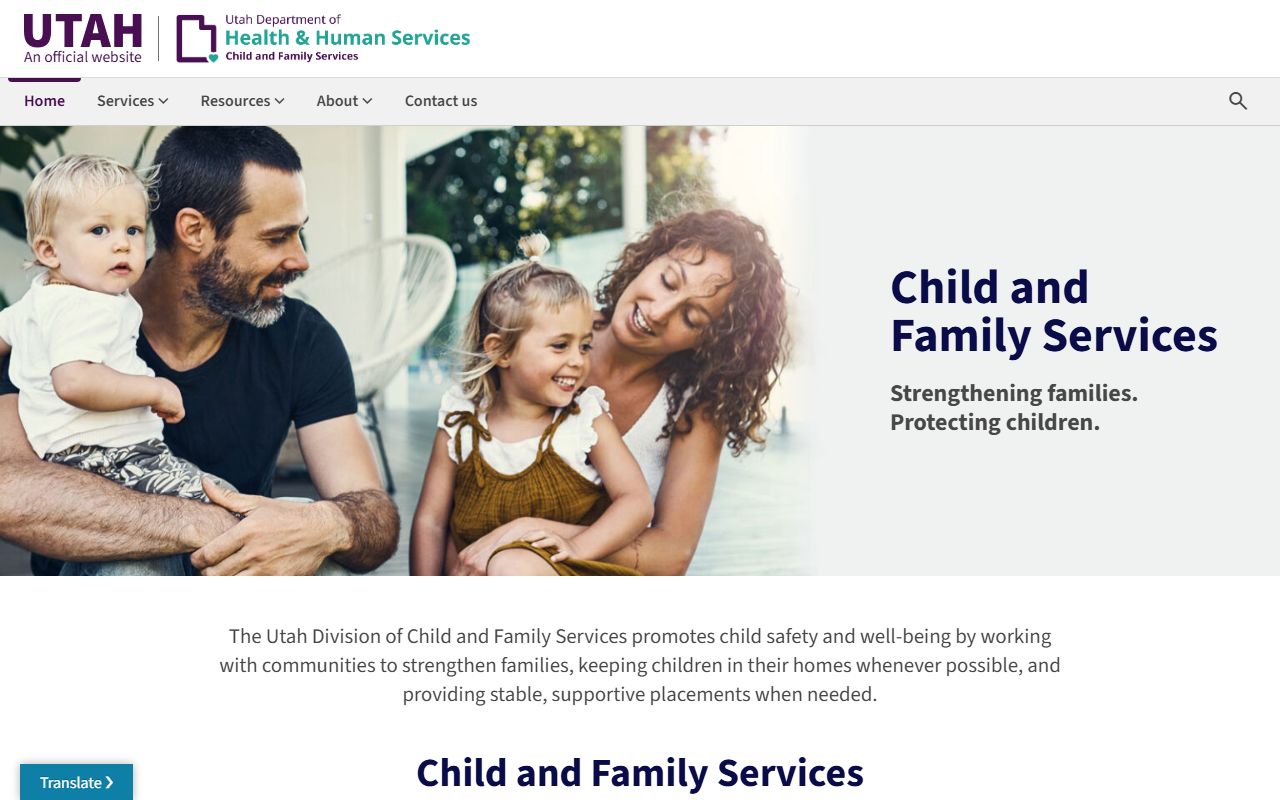
DCFS screenings are not the same as BCI criminal history records. They serve a distinct purpose within the Utah child protection system.
Utah State Archives and Historical Criminal Records
The Utah State Archives holds historical government records, including older criminal court records and archived case files. The archives are located at 346 S. Rio Grande St., Salt Lake City, UT 84101. You can reach them by phone at (801) 531-3863 or by email at recordsmanagement@utah.gov. If you are researching older cases that predate digital record systems, the archives may hold the original paper files. This is a lesser-known resource but can be valuable for genealogy research and historical criminal case investigation in Utah.
The Utah State Archives building and records collection are shown in the image below.
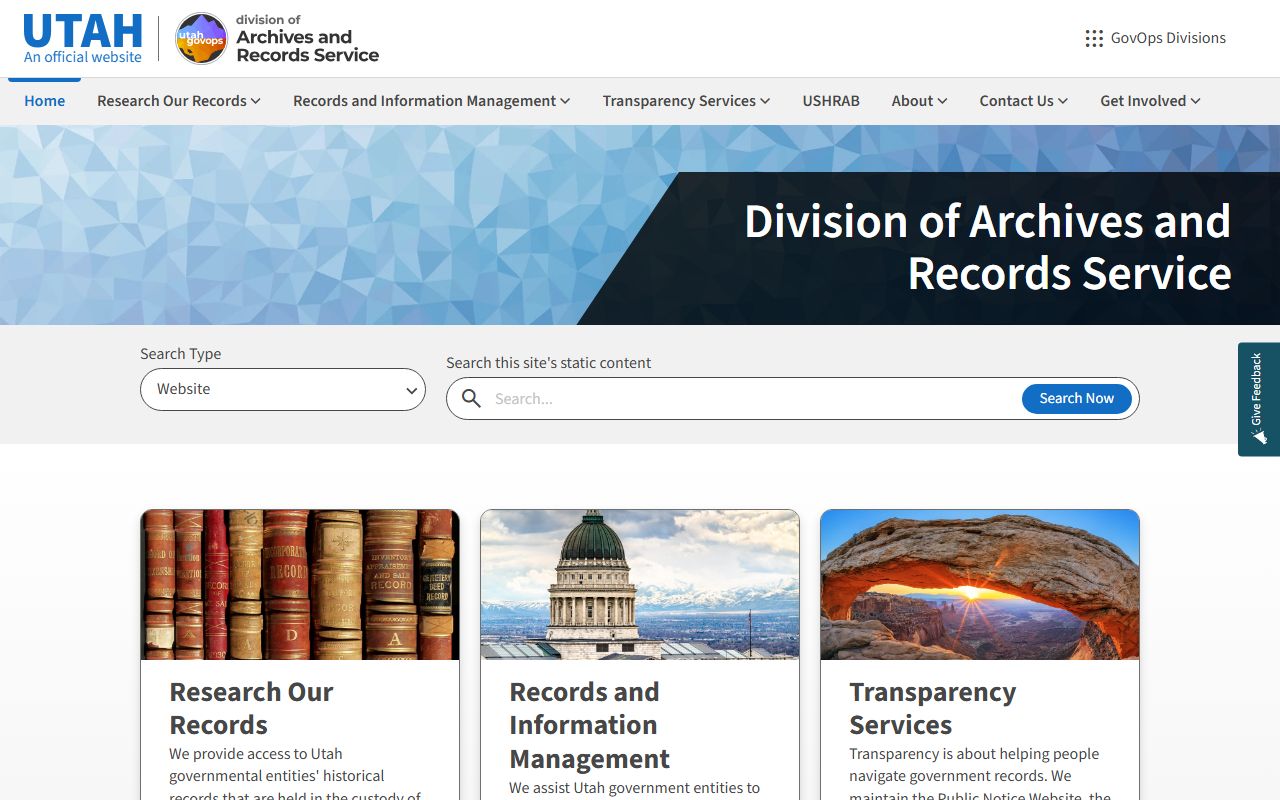
Older arrest records and criminal case files no longer held by courts or law enforcement may be preserved at the Utah State Archives.
Utah.gov Official State Portal
The Utah.gov official state portal connects all state agencies and services in one place. From here you can navigate to courts, corrections, public safety, and other agencies that hold criminal records in Utah. It is a practical starting point if you are not sure which specific agency to contact for a particular type of record. The portal also links to licensing boards, regulatory agencies, and county government pages that maintain additional public records.
The Utah.gov state portal is shown below, as it appears on the official state website.
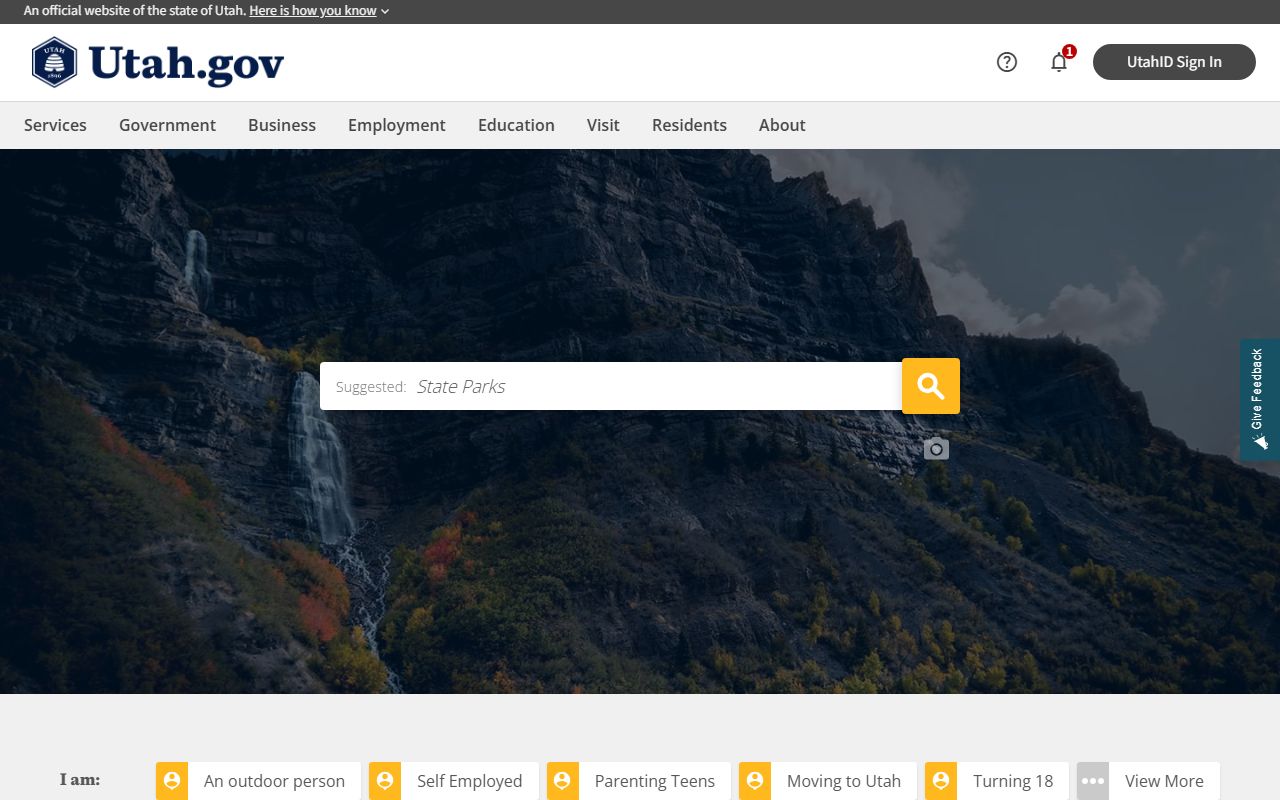
Using the official state portal helps you avoid outdated or unofficial links and ensures you are reaching current government resources for Utah criminal records.
Utah State Law and Criminal Records Statutes
Understanding the legal framework around Utah criminal records helps you know what you can access and what is restricted. Utah State Law Title 77 is the Utah Code of Criminal Procedure, which governs how arrests, warrants, and criminal cases are handled across the state. Section 77-7-1 covers arrest procedures and warrant requirements. Section 53-10-108 restricts the dissemination of criminal history records to protect individual privacy while still allowing appropriate public access to booking records and court case information. Section 77-40-101 is the Expungement Act, which sets out when and how criminal records can be cleared from someone's history in Utah.
The Utah State Law reference page is shown in the image below.

Knowing these statutes helps you understand the scope and limits of public access to criminal history and arrest records in Utah.
Expunging Utah Criminal Records
Utah allows eligible individuals to petition for expungement of their criminal records. The process runs through the Utah Courts expungement system. Before filing a petition, you must obtain a Certificate of Eligibility from BCI. The application fee is $65, and the issuance fee is another $65 once the certificate is approved. Waiting periods apply before you can apply. A felony conviction requires a 7-year wait, or 5 years for a drug felony. Class A misdemeanors require a 5-year wait. Class B misdemeanors require 4 years. Class C misdemeanors and infractions require 3 years. DUI misdemeanors carry a 10-year waiting period before an expungement petition can be filed.
Not every record is eligible. Capital felonies, first-degree felonies, violent felonies, automobile homicide, felony DUI, and sex offenses are generally excluded from expungement in Utah. Once a record is expunged, it is sealed and will not appear in public criminal history searches or standard background checks.
Federal Criminal Records Through PACER
Federal criminal cases in Utah are handled by the U.S. District Court of Utah, and those records are accessible through PACER (Public Access to Court Electronic Records). PACER is a fee-based system where you can search by case number, party name, or filing date. Federal criminal records are separate from state criminal records. A conviction in a Utah state court will not appear in PACER, and a federal conviction will not always appear in BCI records. If you are researching someone who may have faced federal charges in Utah, PACER is the right tool to use. The FBI also maintains an Identity History Summary record, sometimes called a rap sheet, available only to the individual, a legal representative, or an authorized agency through a written request to the FBI Criminal Justice Information Services Division.
The PACER federal court records portal is shown below.
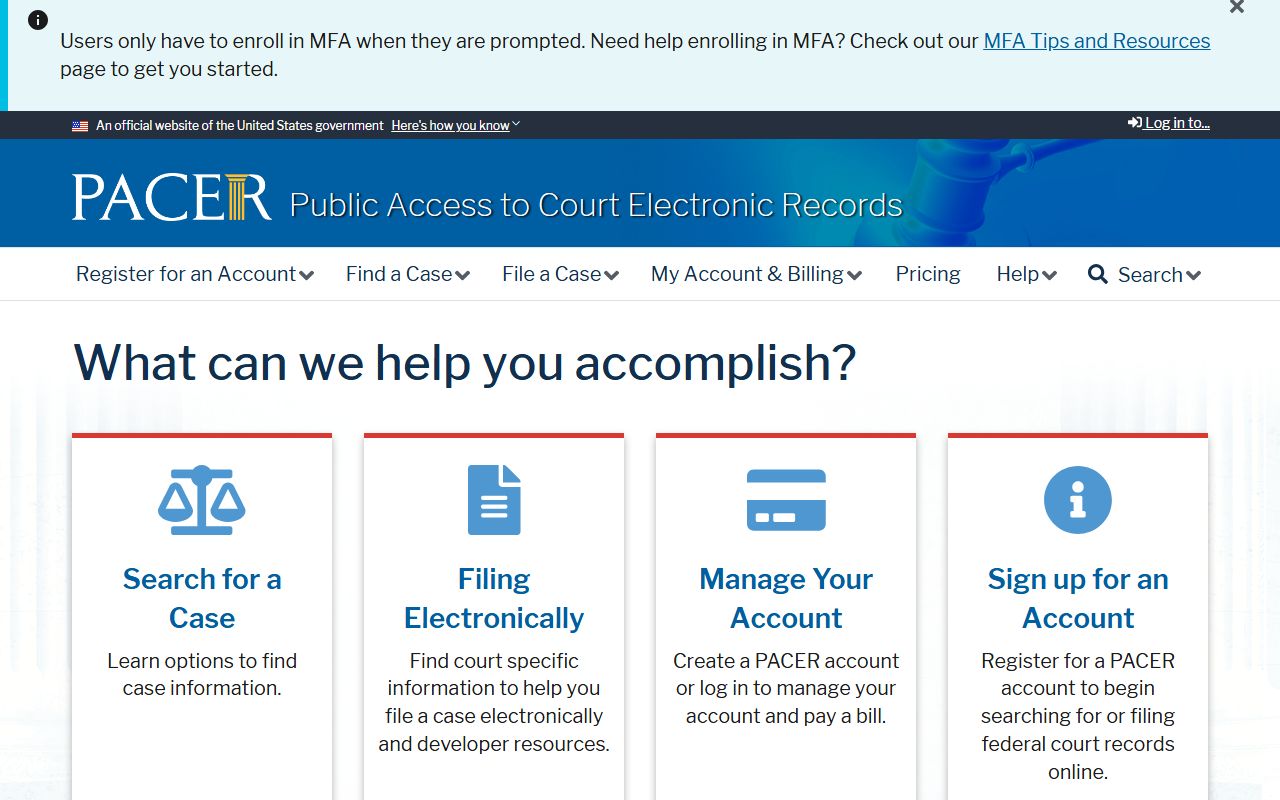
Federal records through PACER complement state-level searches when you need a complete picture of criminal history across both Utah state courts and the federal court system.
How to Search Utah Arrest Records
Arrest records in Utah come from several sources. Local police departments and county sheriff offices maintain booking records that capture arrest details at the time of custody. Many Utah counties post recent booking records publicly online. For older arrest records, you may need to submit a GRAMA request to the specific agency that made the arrest. Arrest record data also appears within BCI criminal history reports and through the XChange court records system if charges were filed after the arrest.
An arrest record is not the same as a conviction. Some records show charges that were later dropped, dismissed, or reduced. When reviewing a criminal history or background check result in Utah, always look for the final case disposition to understand the true outcome. This is especially important when the arrest record involves a charge that did not result in a guilty plea or conviction.
Note: Booking records and arrest logs are typically public under GRAMA, but individual agencies control their own records and may have slightly different processes for request fulfillment.
Utah Criminal Records by County
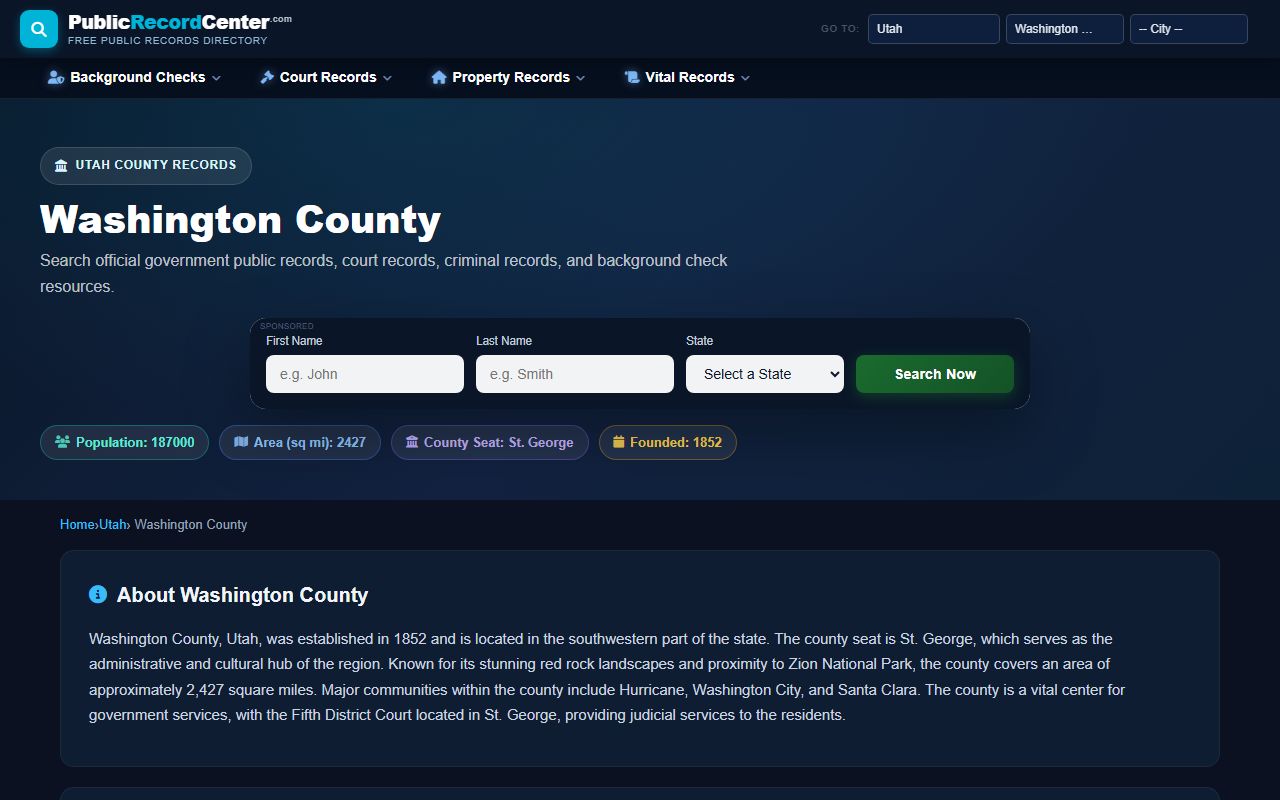
Browse criminal records resources for Utah's most populous counties. Each county has its own court system, sheriff office, and local law enforcement agencies that maintain arrest records, booking records, and criminal case files at the local level.
Utah Criminal Records by City
Search criminal history and arrest records for Utah's largest cities. City police departments maintain their own booking records and can respond to public records requests under GRAMA for incidents handled within their jurisdiction.